

Where the migration is, month by month
The herds follow the rain in a rough clockwise loop. Rough is the operative word.
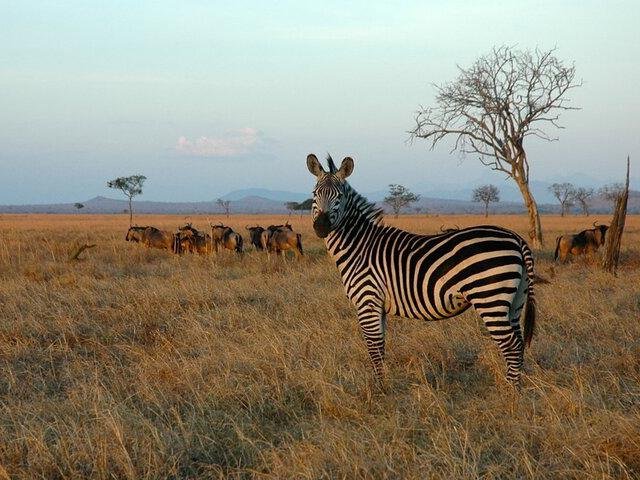
The Great Migration is not an event with a date. It is close to two million wildebeest, zebra and gazelle moving continuously in a loop through the Serengeti-Mara ecosystem, following the grass. The loop is broadly predictable. The timing within it is not, because it depends on rain.
December to March: southern plains
The herds spread across the short-grass plains around Ndutu and the southern Serengeti. Calving peaks in a tight window around February. Predator density is at its annual high.
April to May: moving north-west
As the long rains arrive the herds push north-west towards the western corridor and the Grumeti river. Difficult months to travel, but the columns on the move are a sight in themselves.
June to July: the western corridor
The Grumeti crossings happen here. They are smaller and less predictable than the Mara crossings but far less busy.
Late July to October: the north and the Mara river
The herds reach the Kogatende and Lamai sector, and the Mara river crossings begin. Animals cross in both directions, sometimes repeatedly in a day, and there is no schedule whatsoever.
November: turning south
The short rains bring the herds back down through the eastern Serengeti towards the southern plains, and the loop starts again.
The honest caveat
Every one of these windows can shift by three or four weeks with the rain. Anyone giving you exact dates a year out is guessing. What you can do is be in the right sector with enough days to wait.

Writes for Humble Cat Safaris from Arusha.