
What a Tanzanian safari actually costs, line by line
Park fees, vehicles, guides and camps: where the money in a safari quote genuinely goes.
Safari pricing is opaque in a way that makes people suspicious, and reasonably so. Here is roughly how a quote breaks down on a mid-range northern-circuit trip.
Park fees: often a third of the total
Tanzania National Parks charges a per-person, per-24-hour conservation fee, plus separate vehicle and camping fees. The Ngorongoro Conservation Area charges separately again, including a substantial crater-service fee per vehicle per descent. These are government rates, identical for every operator, published, and non-negotiable. They are also why a cheap quote usually means fewer days actually inside the parks.
Accommodation: a third to a half
This is where quotes diverge most. A basic campsite, a mid-range tented camp and a high-end lodge can differ by a factor of ten per night for the same park.
Vehicle and fuel
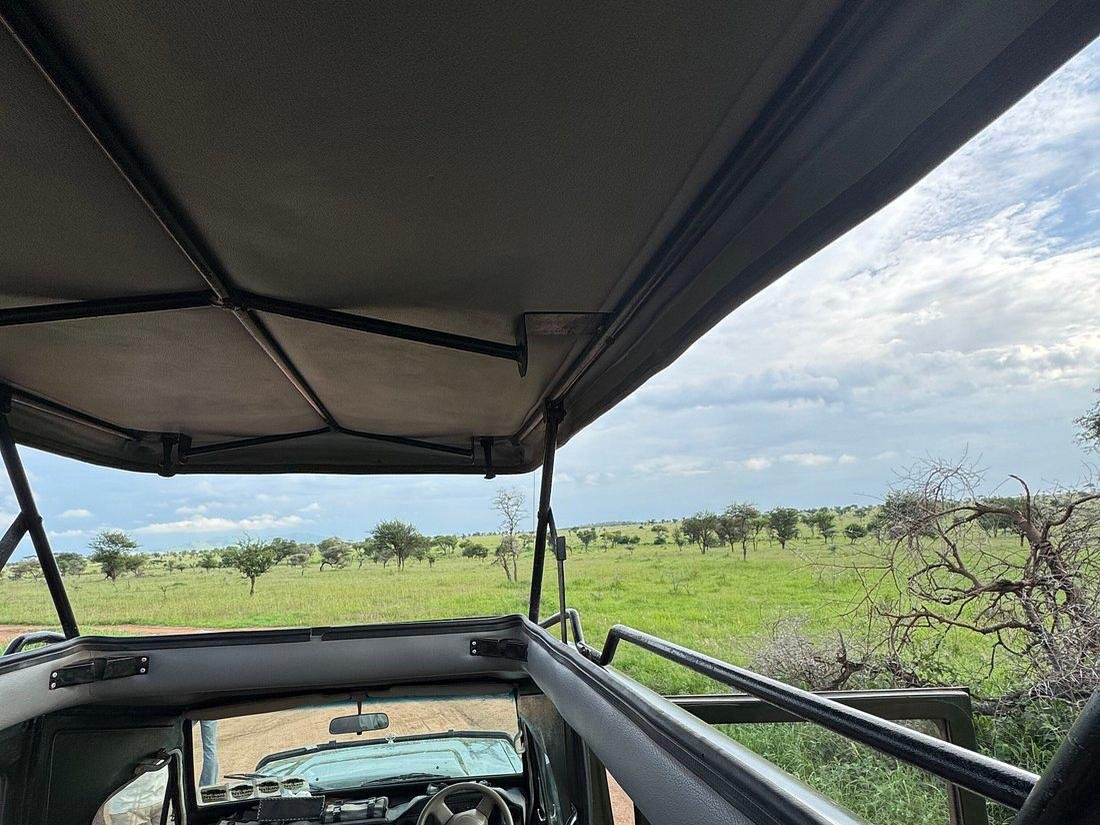
A Land Cruiser with a pop-up roof, plus fuel for several hundred kilometres of rough road, plus maintenance. Operators who own their vehicles can usually control this better than those who hire in.
Your guide
Salary, park entry, accommodation and meals for the whole trip. Ask any operator how their guides are paid. If the answer is vague, or if it is “mostly tips”, that tells you something.
What a suspiciously cheap quote usually means
Nights spent outside the park to dodge conservation fees; shared vehicles sold as private; a guide paid per trip who has an incentive to cut the day short; or camps at a standard well below what the photographs suggest.

Writes for Humble Cat Safaris from Arusha.